Stakeholders from the Republic of Kenya and the United Republic of Tanzania have renewed their commitment to the sustainable management and conservation of the Mara River Basin, calling for stronger collaboration, ecosystem restoration and coordinated action to address growing environmental and climate-related pressures facing the shared resource.
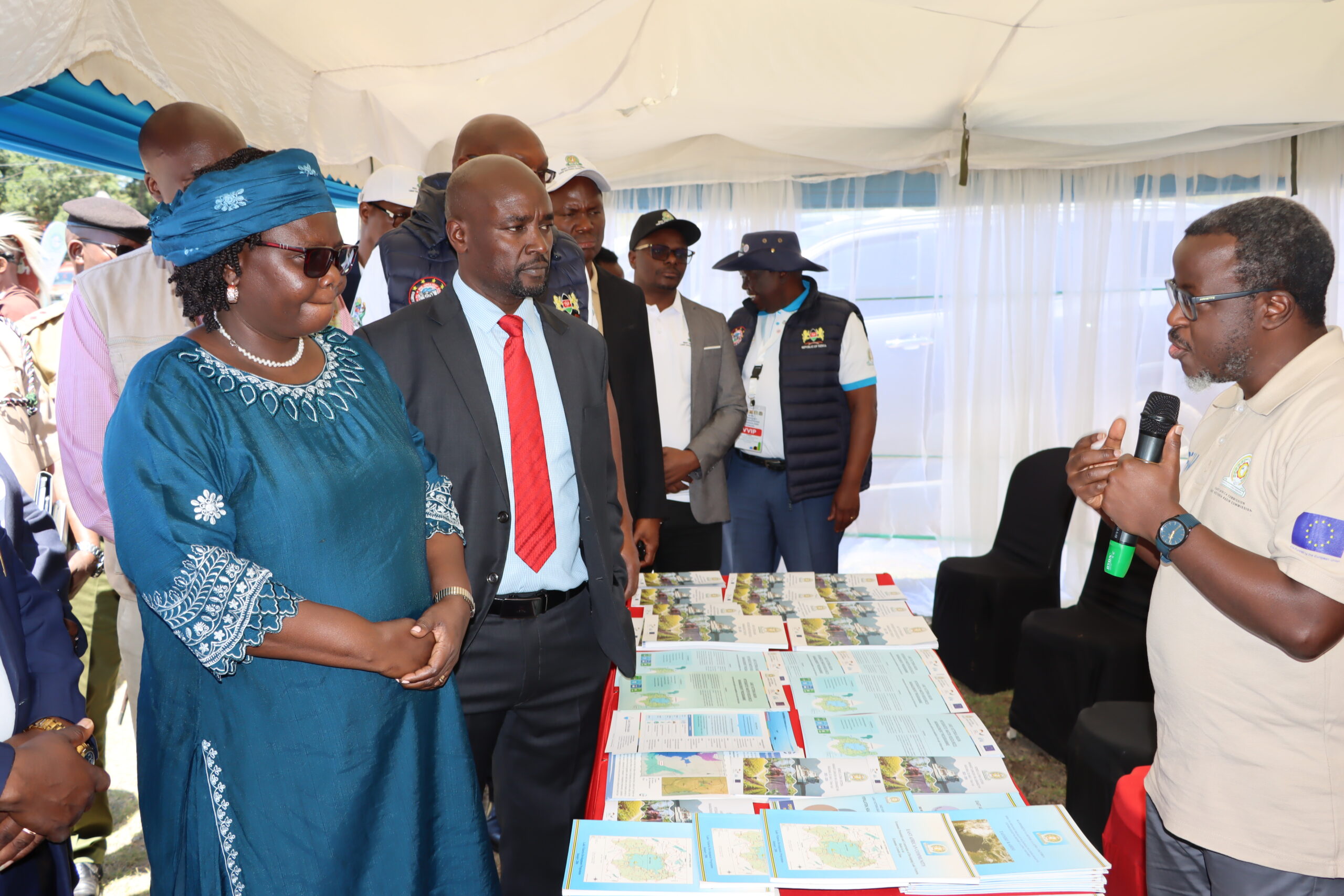
The commitment was made during the Mara River Basin Stakeholder Engagement Forum, convened by the Lake Victoria Basin Commission (LVBC) alongside the 15th Mara Day Celebrations in Bomet County, Republic of Kenya, under the theme “Mara River, Diverse Lives: Keep It Thriving.”
The forum brought together representatives from national and local governments, basin institutions, Water Resources Users Associations (WRUAs), community organizations, academia, development partners, the private sector, civil society and local communities from both Kenya and Tanzania.
Stakeholders noted that the Mara River Basin continues to face significant environmental, socio-economic, governance and transboundary challenges.
The Basin plays a critical role in supporting livelihoods, biodiversity, agriculture, tourism, energy production and water supply across Kenya and Tanzania.
Among the major concerns identified were deforestation, degradation of riparian areas, unsustainable land-use practices, pollution, increasing water abstractions and degradation of critical catchment areas, including the Mau Forest Complex.
Participants also highlighted the impacts of climate change and variability, including prolonged droughts, erratic rainfall and floods, which are placing additional pressure on water resources, ecosystems, agricultural production and community livelihoods.
Increasing competition for land and water resources, human-wildlife conflicts, inadequate financing for conservation, weak enforcement of environmental regulations and limited institutional coordination were also identified as challenges requiring urgent attention.
Stakeholders prioritized the restoration of degraded catchments and water towers through reforestation, agroforestry, bamboo planting, wetland restoration and other ecosystem rehabilitation measures. They also called for sustainable financing to support ecosystem restoration and community-based conservation initiatives.
Other priority actions include strengthening Integrated Water Resources Management (IWRM), promoting climate-resilient livelihoods, improving monitoring and enforcement of environmental regulations, and strengthening community participation in decision-making and conservation programmes.
They further proposed innovative financing mechanisms, including Payment for Ecosystem Services (PES), enhanced environmental education and capacity building, stronger research and data-sharing systems, and improved coordination between Kenya and Tanzania.
Given that the Mara River Basin is a shared resource, participants emphasized the importance of strengthening transboundary cooperation between Kenya and Tanzania through joint planning, information sharing, harmonized policies and regulations, coordinated monitoring and implementation of joint interventions.
The forum underscored that effective conservation of the Mara cannot be achieved by one institution or country acting alone. Sustaining the Basin requires collective responsibility and long-term partnerships among all stakeholders.
At the climax of the celebrations held at Bomet Stadium, the Cabinet Secretary for East African Community (EAC), Arid and Semi-Arid Lands (ASALs) and Regional Development of the Republic of Kenya, who served as the Chief Guest, reaffirmed the Government of Kenya’s commitment to conserving the Mara ecosystem.
“I want to state and reaffirm the Republic of Kenya’s commitment towards conserving the Mara ecosystem, which is a source of livelihoods for millions of people within the East African Community,” the Cabinet Secretary said.
The Cabinet Secretary for Water and Irrigation, Republic of Kenya, who also attended the event, underscored the Mara River’s importance to communities, agriculture, livestock, tourism and wildlife in both Kenya and Tanzania.
“The Mara supports livestock, agriculture, tourism and wildlife in Kenya before flowing into Tanzania, where it supports the Serengeti ecosystem and communities along the river. What happens upstream affects those who live downstream. We cannot manage the Mara River as Kenya alone, and Tanzania cannot manage it alone,” the Cabinet Secretary said.
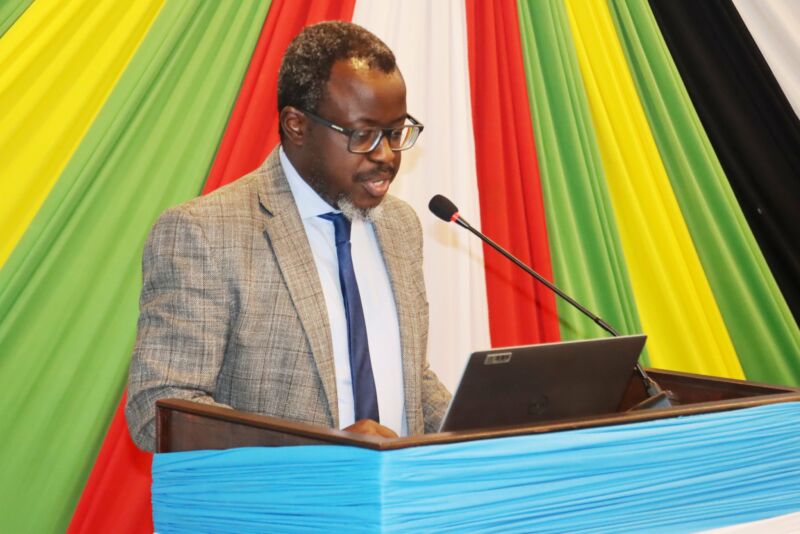
The LVBC Executive Secretary, Dr Masinde Bwire, called for decisive action to safeguard the ecosystem, stressing that the time for action is now.
“The time for action is now. If we protect its catchment, restore degraded ecosystems, safeguard wetlands, manage water sustainably, reduce pollution, promote climate-smart livelihoods and empower communities, the Mara can continue to support life, biodiversity and livelihoods for generations to come,” Dr Bwire said.