Leaders and environmental experts have called for urgent action to safeguard the Mara River Basin, warning that the lives of millions of people and wildlife across East Africa are increasingly threatened by human activity and environmental degradation.
This call was made during the 14th Mara Day Scientific Conference, which brought together researchers, government officials, and conservationists from the East African Community (EAC) Partner States — the Republic of Kenya and the United Republic of Tanzania.
The event was held on 14th September 2025 at the Mwalimu Nyerere University of Agriculture and Technology in Butiama District, Mara Region, Tanzania.
The discussions culminated in an 11-point set of recommendations aimed at ensuring the sustainable management of the Mara River ecosystem.
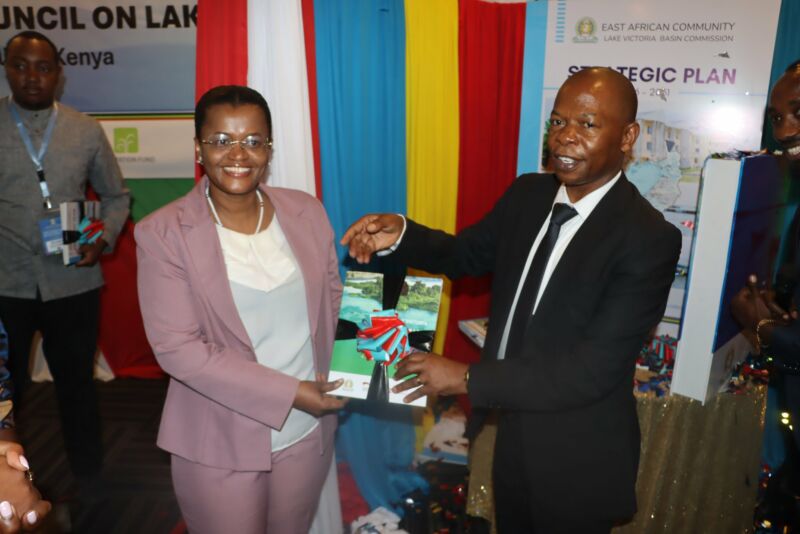
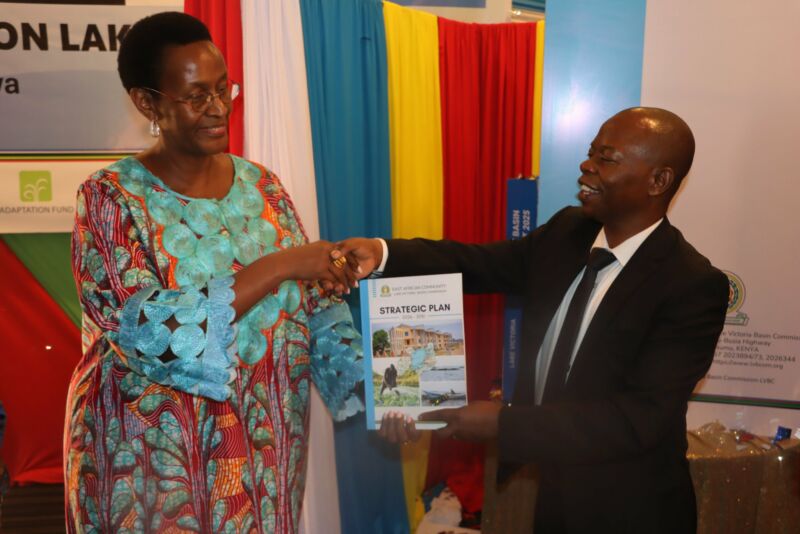
These resolutions which were presented during the main celebration at Mwenge Grounds in Butiama by the Deputy Executive Secretary of the Lake Victoria Basin Commission (LVBC), Eng. Coletha Ruhamya emphasized the need for community-driven conservation, enhanced cross-border cooperation, and the application of modern technologies to protect the river.
Kenya’s Cabinet Secretary for Water, Sanitation, and Irrigation, Eng. Eric Muuga, reaffirmed Kenya’s commitment to the 2015 Memorandum of Understanding on the Protection and Conservation of the Mara River Basin.
He highlighted that the basin remains under significant pressure due to deforestation, pollution, and land degradation.
One of the key ongoing initiatives is the Mau Forest Restoration Programme.
“These strategies include reclaiming encroached land through the removal of illegal settlements, reforestation with indigenous trees, and the protection of wetlands and riparian zones,” said the Cabinet Secretary.
He further noted that in the Maasai Mau Forest, over 21,600 hectares of land have already been reclaimed in two phases of the restoration project.
“Large-scale initiatives such as the 15-Billion Tree Programme, alongside community-led actions, have resulted in the planting of more than 26 million indigenous tree seedlings. These efforts are supported by nurseries with a combined capacity to produce 4.8 million seedlings annually,” he added.
Speaking at the same event, Kenya’s Cabinet Secretary for the East African Community, Hon. Beatrice Askul, emphasized the economic importance of the Mara ecosystem.
“Conserving the Mara ecosystem is vital for both our countries. It significantly contributes to our revenue through tourism, and we must do everything possible to protect it,” she said.
The Mara Regional Commissioner, Hon. Col. Evans Mtambi, who served as the chief guest, urged both nations to hold accountable those violating conservation regulations. “I call upon each one of you from the two neighboring countries to take action against those degrading the forests and violating established rules,” he stated.
Lake Victoria Basin Commission’s Executive Secretary, Dr. Masinde Bwire, praised the event for fostering cross-border collaboration between Kenya and Tanzania in protecting the Mara River. “This celebration has strengthened cooperation and engaged local communities in conservation efforts, improving their livelihoods through sustainable practices,” he said.
Dr. Bwire also noted that the capacity of the Trans boundary Water Users Association has been enhanced. The association brings together a diverse group of water users, local communities, water managers, and decision-makers from both Kenya and Tanzania — the two countries that share the Mara River.
Mara Day is celebrated annually on a rotational basis between the Republic of Kenya and the United Republic of Tanzania, reflecting the shared responsibility of protecting this critical trans boundary resource.