SPACE-IOT SOLUTION BOX FOR CLIMATE-SMART AGRICULTURE IN AFRICA
“Empowering Climate-Smart Agriculture with Copernicus and IoT Innovations for Smallholder Farmers in Africa”
Priority Intervention Area (PIA):
A- Improving the availability and accessibility of Copernicus infrastructure and data for the local applications The KijaniSpace project proposes the KijaniBox, an integrated “Solution Box” for local adaptation and enhancement of Copernicus services by local actors. KijaniBox is an integrated box for space and IoT resources tailored to the needs of local climate-smart agriculture. KijaniBox will simplify accessibility and availability and make use of Copernicus resources (data, services and infrastructure) more useful by integrating local IoT data and context. KijaniBox can be used as an online environment for learning, developing and testing new Copernicus applications and services.
B- Addressing the climate threats and challenges for smallholder farmers in Africa
The KijaniSpace project will utilize KijaniBox resources (e.g. Copernicus EO, African EO, IoT) to address local agricultural challenges. We will transform data into actionable insights for smallholder farmers in the Lake Victoria Basin (LVB) across three countries (Kenya, Tanzania, and Uganda). The project targets the two main farming systems in the region: Crop farming and fish farming.
C- Engaging African local stakeholders for accelerating the local and regional innovation
KijaniSpace will strengthen local and regional research and innovation, policy and regulatory frameworks and economic development capacities through a unified regional approach. The consortium will create awareness, entrepreneurial spirit and skills development for local actors through two programs: i) Space-IoT Talent Program and ii) Space-IoT Innovation program. We propose a place-based strategy for the regional climate-smart agriculture development of Lake Victoria Basin in partnership with the Lake Victoria Basin Commission (LVBC). The project will engage local actors across the region to create a true public-private partnership to achieve long-term impacts for Copernicus in LVB.
Project Description
KijaniSpace (GreenSpace in Swahili) is a highly innovative initiative built on the foundation of previous successful AU-EU collaborations in the fields of space, IoT, climate and agriculture. The vision of the project is to extend the use of Copernicus Earth Observation data for the development of a “climate-smart agriculture” in Africa. In order to enhance the use of Copernicus data by local African stakeholders, we have proposed several practical and innovative approaches. First of all, the Copernicus data should be integrated with in-situ IoT infrastructures in order to improve its relevance and applicability. Secondly, the Copernicus data should be adapted to the local users and market needs. Therefore, the project proposes to develop a Space-IoT solution box called KijaniBox that integrates the existing platforms, tools and datasets for simplified local availability and accessibility. Using the KijaniBox EO and IoT resources, the project will launch two programs. The first program is called the Space-IoT Talent Program for skills development and creation of Minimum Viable Products. The second program is the Space-IoT Innovation Program, allowing SMEs to create innovative experiments. In addition, the project will conduct the pilot demonstration of two agricultural applications (crop farming and fish farming). Finally, the project will engage the various local and international actors with a multi-stakeholder approach, in order to create a vibrant innovation and collaboration ecosystem. KijaniBox is a highly innovation-oriented consortium composed of thirteen (13) companies: six European and seven African partners from seven (7) different countries. The concept of the KijaniSpace project will be piloted in the Great Lake Victoria basin region. The ultimate aim of KijaniSpace is to pave the way for long-term sustainable economic growth and green job creation in Africa and Europe through Copernicus and IoT

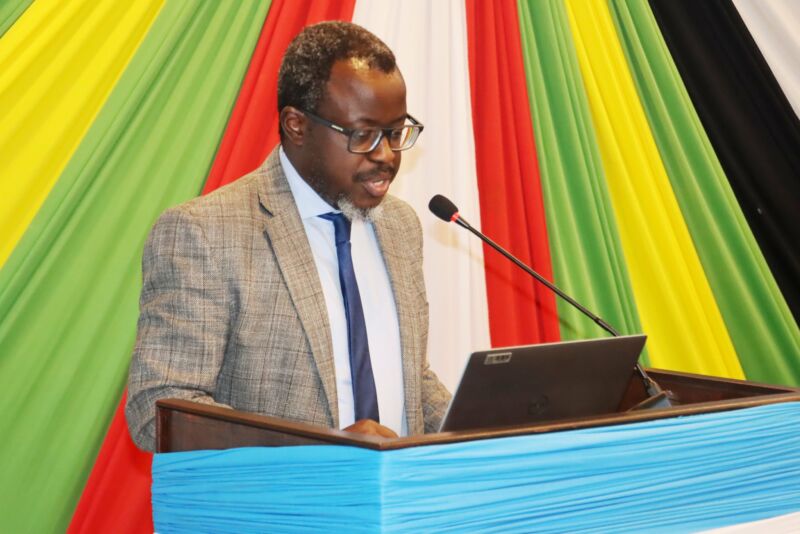
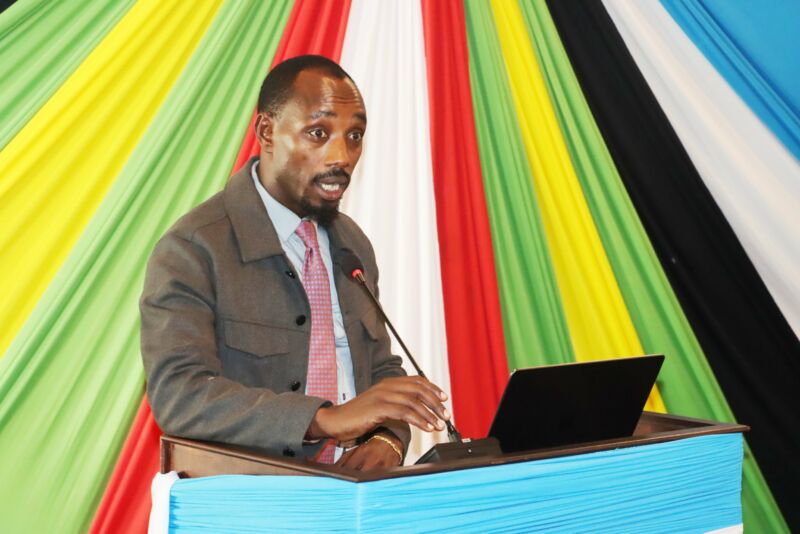
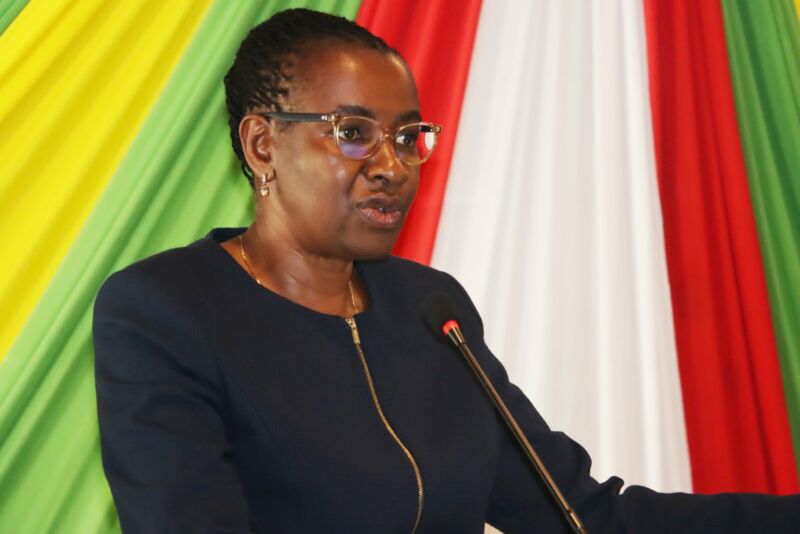
Project coordinators briefed senior officials from the East African Community (EAC) Partner States on the progress made in implementing various projects and programmes.